August 15, 2026
Choosing the right fence involves more than selecting a material that looks good. Your fence may need to provide privacy, improve security, contain pets, define property lines, or enhance the appearance of your outdoor space. Climate conditions, maintenance requirements, installation costs, and long-term durability can also influence which option is best for your property.
Wood, vinyl, chain link, and aluminum fencing each offer distinct advantages. Some materials provide traditional character and extensive customization, while others appeal to homeowners seeking minimal upkeep or dependable security. Understanding how these options differ can help you avoid unnecessary maintenance, unexpected expenses, and a fence that does not meet your practical needs.
Wooden Fencing
Types of Wood Used
Wooden fencing is a traditional option that brings a warm, natural feel to any property. Contractors typically recommend types like cedar, pine, and redwood, each offering unique benefits. Cedar is praised for its natural oils that offer resistance to decay, making it an excellent long-term choice. Pine, often pressure-treated, is a cost-effective and versatile option. Redwood stands out for its vibrant color and durability, making it a premium choice although at a higher cost.
Each type of wood used in fencing can significantly impact the longevity and appearance of the fence. Cedar's natural resistance to insects and rot makes it a preferred choice for many homeowners who want a long-lasting fence. Pine's affordability makes it accessible, but it requires treatment to improve durability. Redwood, though pricier, provides an aesthetically pleasing appearance that ages gracefully. A fence contractor can recommend the right wood based on climate, budget, and desired longevity.
Geographical location can also play a role in choosing the best type of wood. In areas prone to humidity, such as the Southeast, cedar's resistance to moisture-induced problems makes it ideal. In contrast, redwood suits drier regions with its natural resilience against sun damage. According to IBISWorld, approximately 315,000 distinct enterprises are operating within the American fence construction space as of 2026, reflecting the diverse preferences across different regions. Regardless of choice, it's crucial to consider both immediate and long-term benefits when selecting a wooden fence.
Aesthetic Appeal
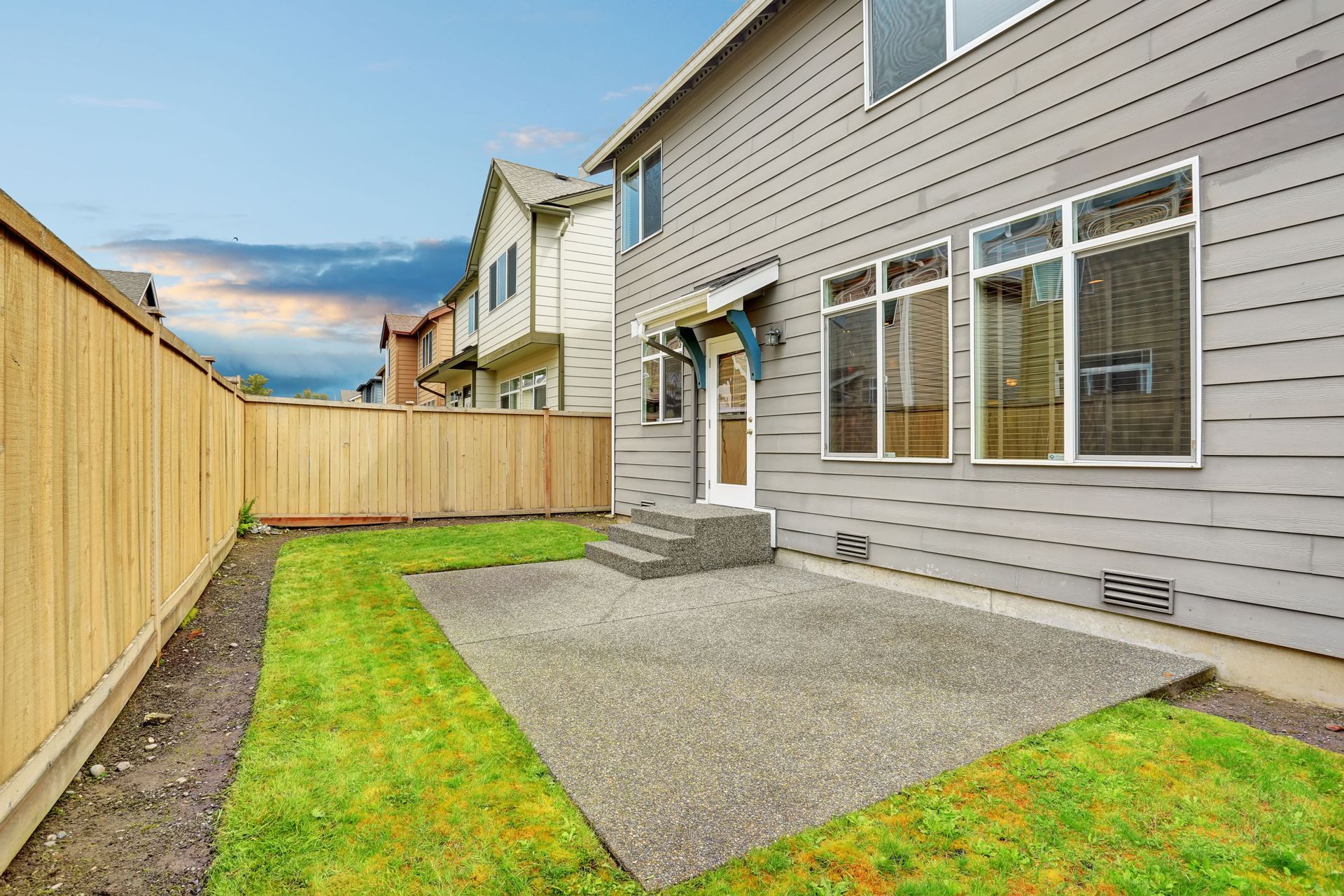
The aesthetic appeal of wooden fences is one of its most compelling features. Wooden fences can be customized to match a variety of architectural styles, thanks to the wood's natural texture and adaptability. They can be painted or stained in any color, allowing homeowners to create a cohesive look with their surroundings. This level of customization is something often recommended by contractors to ensure the fence complements the home's overall design. Additionally, wooden fences can uniquely highlight landscaping and provide a charming backdrop for outdoor spaces.
Vinyl Fencing
Material Composition
Vinyl fencing is manufactured from polyvinyl chloride (PVC), offering durability and low maintenance. Many homeowners appreciate vinyl for its resistance to rot, pests, and weather conditions, which contributes to its popularity. Vinyl fencing comes in various styles designed to mimic the look of wooden fences but without the associated maintenance concerns. Its synthetic composition allows for customization while providing a clean, polished appearance.
Unlike wood, vinyl fences do not warp, crack, or splinter, maintaining a pristine condition over time. This resilience is especially beneficial for homeowners in regions with harsh weather conditions, providing long-lasting protection without frequent repairs. The vinyl manufacturing process involves numerous advancements, resulting in improved fence strength and extended longevity.
The environmental considerations of vinyl include both positive and negative aspects, often debated due to its petroleum base. However, manufacturers have increasingly introduced recycling processes for vinyl, ensuring minimal environmental impact. Additionally, the longevity of vinyl means less frequent replacements, reducing waste. It's crucial for homeowners to balance these factors by considering the fence's lifespan and the fence's recyclability at the end of its life.
Chain Link Fencing
Practical Applications
Chain link fencing is widely known for its practicality and versatility across various applications. Its straightforward design makes it suitable for residential, commercial, and industrial settings, offering secure enclosure without significant obstruction. At home, chain link fences are often used for pet enclosures, backyard boundaries, and garden protection. Commercial clients appreciate it for its durable, low-cost security barriers around yards or equipment.
This versatility is due to the fence's lightweight yet sturdy composition, allowing adaptability in diverse environments. Its open weave permits visibility while still defining boundaries, a preferred feature for playgrounds and sporting facilities. In industrial and commercial contexts, chain link fencing can incorporate additional security measures, such as barbed wire or privacy slats, enhancing both security and functionality.
Chain link fencing's affordability and ease of installation also contribute to its widespread adoption. Whether securing a high-traffic area or defining boundaries in a less accessible location, a fence contractor can efficiently install chain link fencing to meet specific requirements. Additionally, the material’s durability and minimal maintenance needs resonate well among clients seeking budget-friendly fencing solutions.
Aluminum Fencing
Material Strength and Flexibility
Aluminum fencing is renowned for its remarkable blend of strength and flexibility, providing an ideal solution for diverse landscape requirements. Aluminum is a non-ferrous metal, granting it resistance to corrosion while maintaining strength under pressure. This property ensures its use in both residential and commercial settings where durability over years is paramount.
Unlike iron or steel, aluminum offers dependable structural performance without adding excessive weight. Its lighter composition makes panels easier to transport and position during installation while still creating a secure property boundary. Aluminum can also accommodate sloped or uneven ground through rackable panel systems, reducing the need for large gaps beneath the fence.
The material's flexibility allows it to work well around pools, gardens, walkways, and decorative landscape features. Although aluminum is not typically selected for heavy-duty industrial security, it provides more than enough strength for many residential applications. Homeowners can choose different panel heights, picket spacing, and rail configurations based on their privacy, safety, and design priorities.
Decorative Appearance
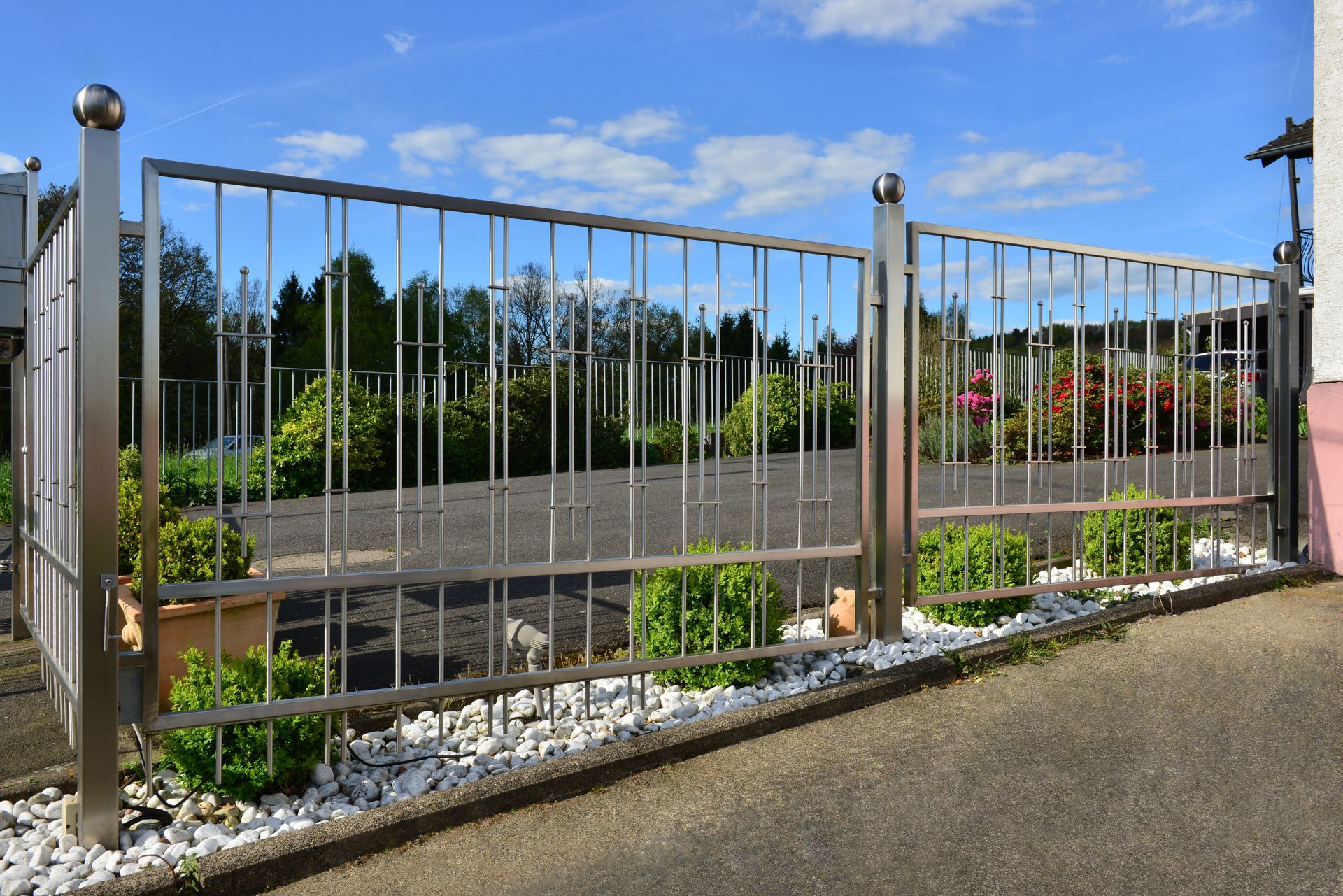
Aluminum fencing is often selected for its elegant, open appearance. Its narrow pickets and clean lines can resemble traditional wrought iron while avoiding many of the maintenance concerns associated with iron fencing. This makes aluminum a strong option for homeowners who want to define a boundary without blocking views of landscaping, architecture, or surrounding scenery.
Manufacturers offer aluminum fencing in a variety of styles, including flat-top panels, arched designs, spear-top pickets, and ornamental accents. Decorative finials, rings, scrolls, and post caps can add character without overwhelming the property's design. Black remains a popular finish because it blends easily with most landscapes, though bronze, white, and other finishes may also be available.
The open design can make outdoor areas feel spacious while still providing separation and structure. Aluminum fencing works especially well around front yards, gardens, patios, and swimming pools where visibility is important. Coordinating gates and hardware can create a polished, consistent appearance across the entire installation.
Corrosion Resistance and Maintenance
One of the most important benefits of aluminum fencing is its natural resistance to rust. Because aluminum does not contain iron, it will not develop the same reddish corrosion commonly associated with untreated steel or wrought iron. This quality makes it particularly useful in humid, rainy, or coastal environments where moisture exposure is a regular concern.
Before making a final decision, consider how the fence will function throughout the year and how much time you are willing to dedicate to maintenance. It is also important to evaluate local weather, yard conditions, privacy needs, and design preferences. A knowledgeable fence contractor can explain material differences, assess the installation area, and recommend an option that supports both your practical needs and desired appearance.
A well-planned fence can improve security, establish clear boundaries, complement landscaping, and add lasting value to a property. By comparing materials carefully and working with an experienced fence contractor, you can choose a fencing solution that looks attractive, performs reliably, and continues to meet your needs for years to come. Call Precision Gate & Security, Inc today to learn more.