October 14, 2026
A new fence can change the appearance, privacy, security, and functionality of an entire property. However, achieving the right result requires more than choosing a material and placing posts in the ground. Careful planning helps ensure the fence suits the property, meets its intended purpose, and works well with the surrounding landscape.
Working with local fence companies can make the planning process more straightforward because professionals understand the practical considerations that can affect fence projects. Property layout, terrain, materials, access, and local requirements can all influence the installation.
A professional approach also helps homeowners avoid decisions that could create unnecessary complications later. By considering the project as a complete system rather than focusing only on the finished appearance, property owners can make informed choices and create a fence that provides lasting value.
Assess the Property Before Installation
Every property presents different challenges. Slopes, landscaping, existing structures, drainage patterns, driveways, walkways, and property boundaries can all affect where a fence can be installed. Evaluating these conditions before construction begins allows potential obstacles to be addressed during the planning stage.
Local fence companies can assess the property and determine how its existing features may influence the layout. A fence that looks simple from a distance may require more detailed planning when the installation area includes uneven ground, narrow spaces, mature vegetation, or limited access for equipment.
Property boundaries also deserve careful attention. Installing a fence without confirming where the property ends can lead to disputes or costly corrections. Professional planning can help identify the appropriate fence line before materials are ordered or installation begins.
A detailed site assessment can therefore prevent avoidable problems. Instead of discovering complications after work has started, homeowners can address them while adjustments are still easier to make. This early evaluation also gives the installer a better understanding of the conditions that may affect the finished result.
Match the Fence to Its Purpose
A fence should be selected according to what the property owner wants it to accomplish. Privacy, security, pet containment, child safety, curb appeal, and defining property boundaries may all require different design approaches.
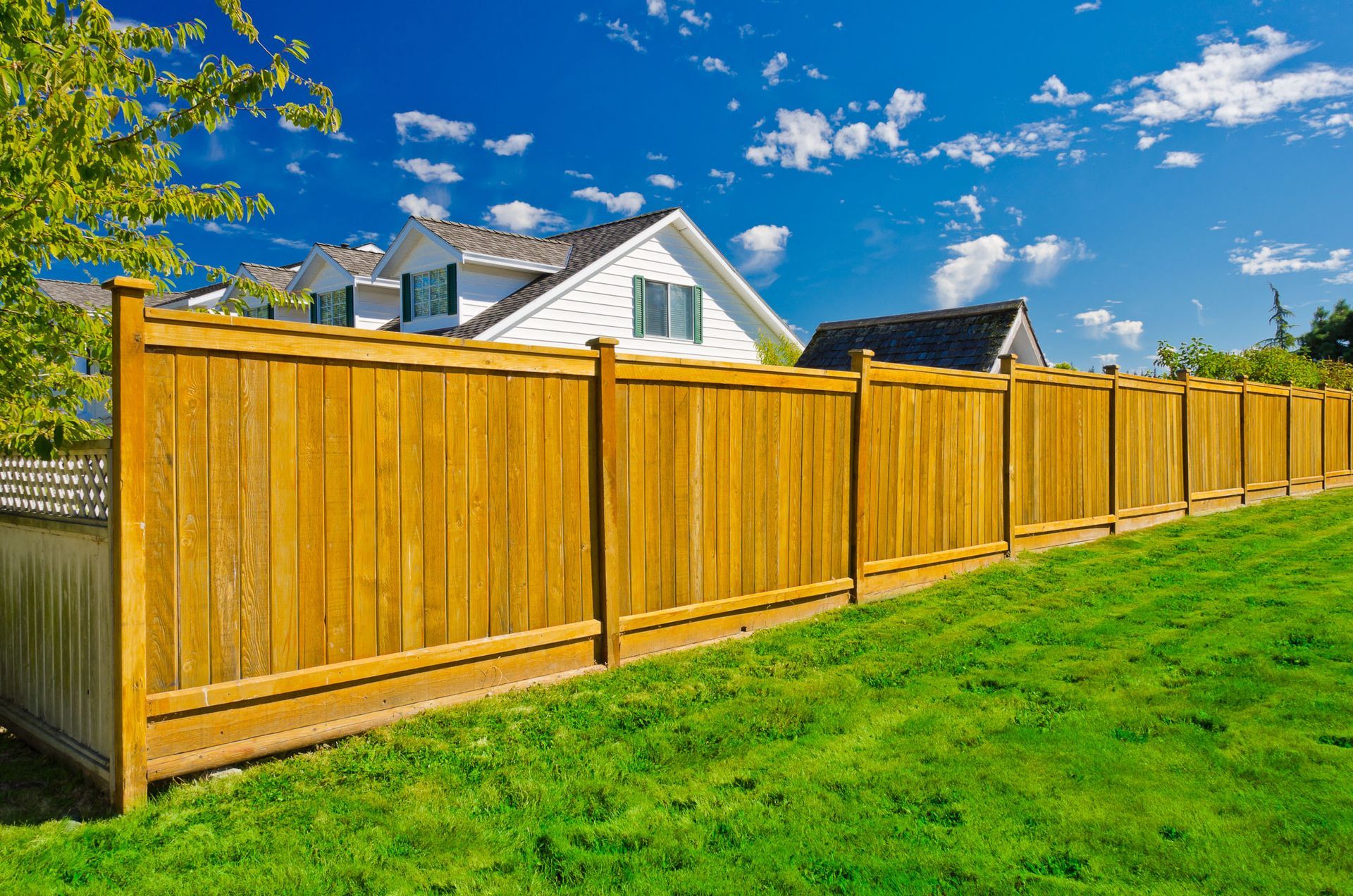
For example, a privacy fence may need closely spaced panels or boards, while a decorative fence might prioritize visibility and visual appeal. A security-focused installation may require stronger construction and carefully considered gates. Understanding the primary goal makes it easier to evaluate designs based on usefulness rather than appearance alone.
Local fence companies can help connect these goals with appropriate materials and designs. Rather than choosing a fence based solely on appearance, homeowners can consider how the installation will function in everyday life and whether its design supports the way the property is actually used.
Thinking about the purpose of the fence can also prevent unnecessary spending. A homeowner may not need the same construction approach for a decorative boundary as they would for a fence intended to provide substantial privacy or security. Defining priorities early can help keep the project focused.
Compare Materials and Long-Term Needs
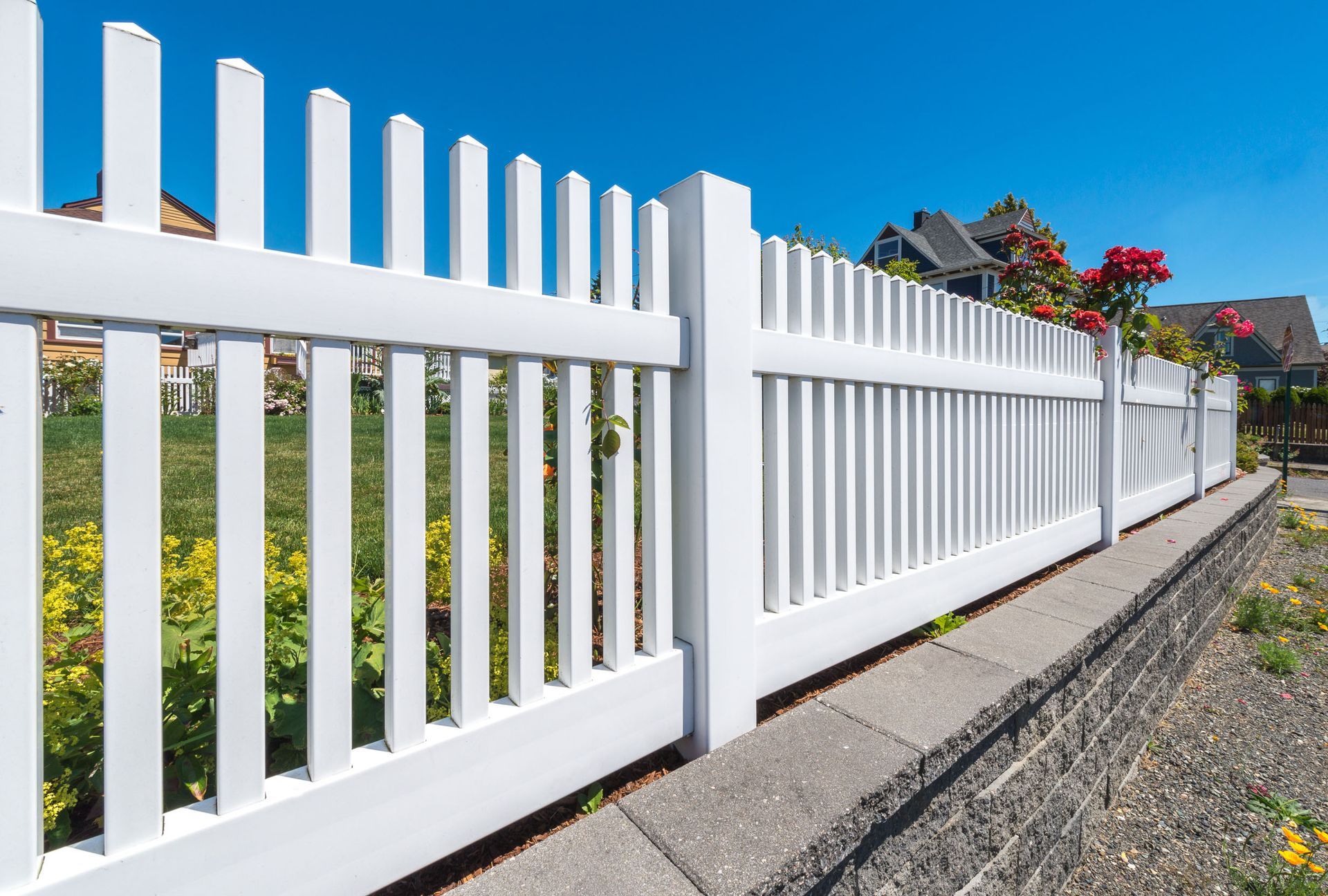
Fence materials differ in appearance, maintenance requirements, durability, and overall performance. Wood can provide a traditional appearance, while vinyl offers a low-maintenance alternative. Metal options can create an open appearance while providing strength and visual definition.
According to This Old House, aluminum fencing can remain serviceable for decades with little concern about corrosion, while vinyl fencing can last up to 20 years without requiring sanding or repairs. These characteristics can make certain materials particularly appealing to homeowners who want to minimize ongoing maintenance.
Local fence companies can explain how different materials perform under the conditions found on a particular property. Factors such as weather exposure, landscaping, moisture, and intended use can all influence which option makes sense. Professional input can help homeowners understand the trade-offs instead of selecting a material based only on initial appearance.
Material selection should also account for the desired appearance. A fence is a prominent exterior feature, so its color, texture, height, and design should complement the home and surrounding landscape rather than appearing disconnected from them. Coordinating the fence with existing exterior elements can create a more polished result.
Plan the Fence Layout Carefully
A thoughtful layout helps a fence function properly while maintaining a cohesive appearance. Homeowners should consider where gates will be positioned, how people will access different parts of the property, and whether the fence will interfere with existing features.
Gate placement is particularly important. A gate leading toward a driveway may need to accommodate vehicles, while a pedestrian entrance may be positioned closer to a walkway or frequently used area. Planning these access points early can make the finished fence much more convenient.
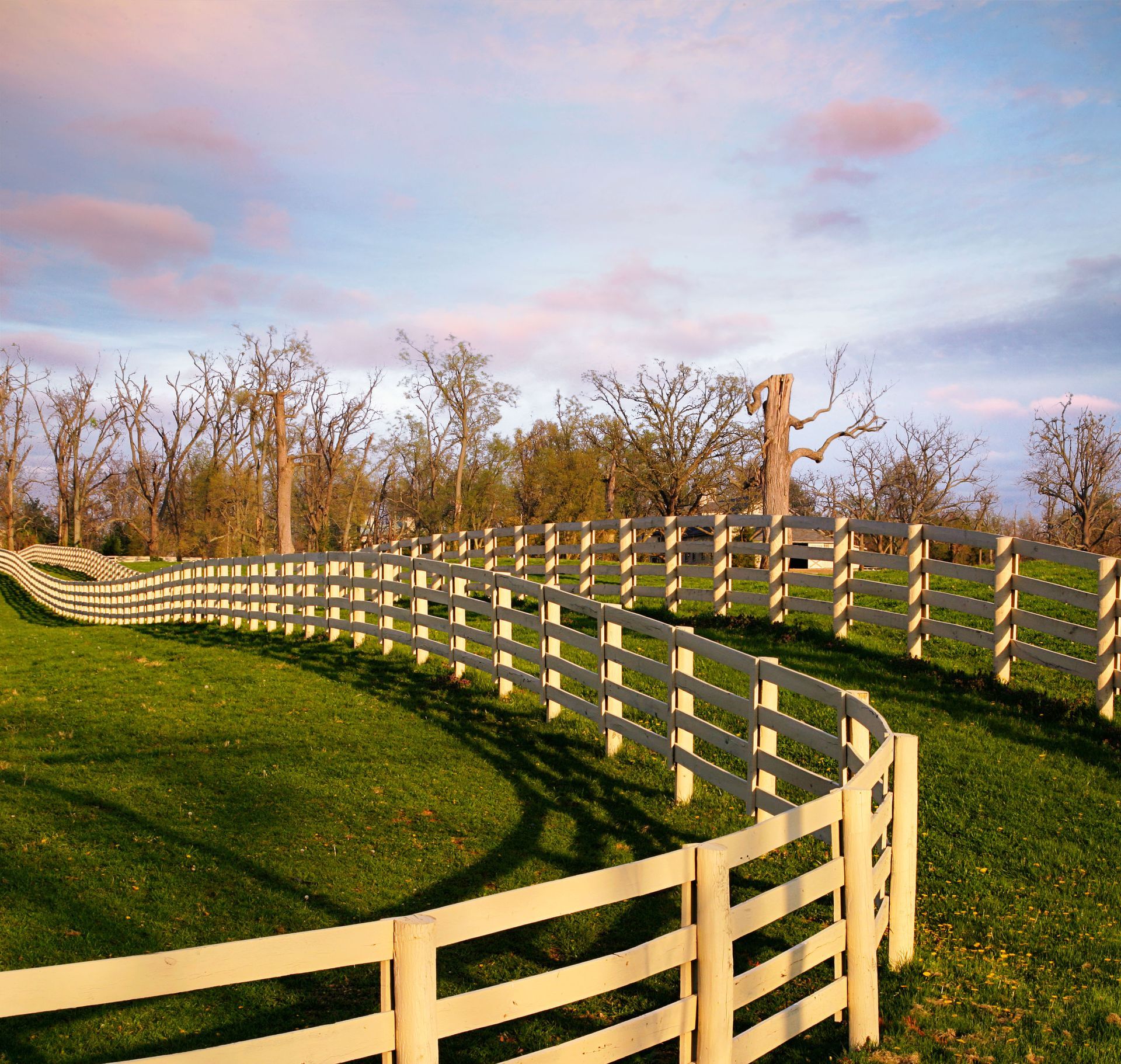
Local fence companies can also help determine how the fence should transition around corners, landscaping, structures, and changes in elevation. These details may seem minor, but they can have a noticeable effect on the finished installation and the way the fence follows the property's natural layout.
Good planning also creates a more consistent appearance. Carefully aligned posts, panels, and gates can make the fence look intentional and professionally integrated with the property. A layout that accounts for practical access while maintaining clean lines can improve both daily usability and curb appeal.
Consider the Surrounding Landscape
A fence should work with the landscape rather than simply being placed around it. Trees, gardens, retaining walls, patios, pools, and other outdoor features can influence the fence's placement and appearance.
Existing vegetation may need special consideration during installation. Mature trees can have extensive root systems, while shrubs and garden areas may occupy space needed for posts or equipment. Planning around these features can help protect the landscape and prevent unnecessary disruption.
Local fence companies can help homeowners identify ways to incorporate the fence into the existing outdoor environment. The installation might follow the natural shape of the property or use landscaping to soften portions of the fence.
The relationship between the fence and the landscape can also affect curb appeal. Thoughtfully coordinated materials, plantings, and outdoor features can make the fence feel like an intentional part of the property's overall design. Even a practical boundary can contribute to a more inviting exterior when its surroundings are considered during planning.
Prepare for a Professional Installation
Even a well-designed fence can produce disappointing results if installation is rushed or poorly coordinated. Proper preparation gives the installation team a clear plan and helps ensure that materials, equipment, access points, and construction requirements are addressed before work begins.
Homeowners should also consider how installation may affect their daily routines. Depending on the project, access to portions of the yard, driveway, or other areas may be temporarily limited. Understanding the installation process beforehand can make the project easier to manage and reduce surprises.
Local fence companies can guide homeowners through the preparation process and explain what needs to happen before installation starts. This communication helps establish realistic expectations and gives property owners an opportunity to address questions early.
A professional installation should ultimately reflect the planning that came before it. When the property has been evaluated, the right material has been selected, and the layout has been carefully developed, installation can proceed with a clearer direction.
The best fence projects begin well before installation day. By evaluating the property, defining the fence's purpose, comparing materials, planning access points, considering the landscape, and preparing for construction, homeowners can reduce complications and create a more cohesive result.
Local fence companies can provide valuable guidance throughout these stages, helping turn a general idea into a practical plan that fits the property. Ready to move from planning to installation? Contact Precision Gate & Security today and take the next step toward a fence built around your property's needs.